
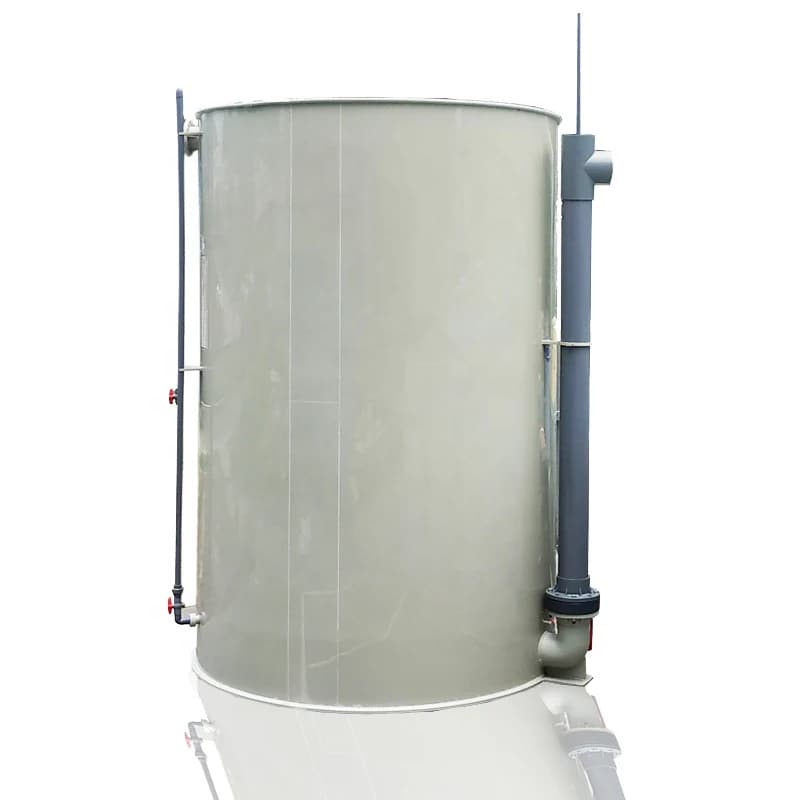
The biological stage in a RAS loop
Fish release ammonia into the culture water. A biofilter provides surfaces for microorganisms that convert ammonia through nitrite to nitrate. This function is different from physically removing suspended solids. The EMBB-30 should therefore be considered as one component of the treatment loop, rather than a complete water-treatment solution.
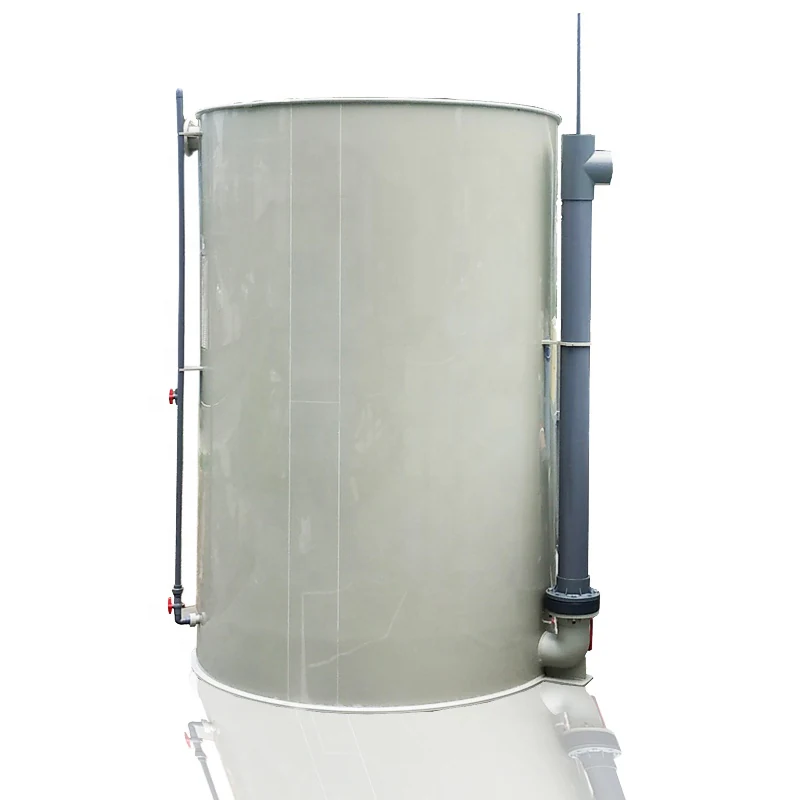
eWater EMBB-series biofilter photograph with external pipework; the image is not individually model-labelled.
Hydraulic size and biological loading
The manufacturer publishes 30 m³/h for the EMBB-30, but this figure alone does not define a fish biomass or a daily feed capacity. Establish the required treatment duty with species, feed input, water temperature and the planned operating conditions. Confirm the media and aeration arrangement in the technical proposal.
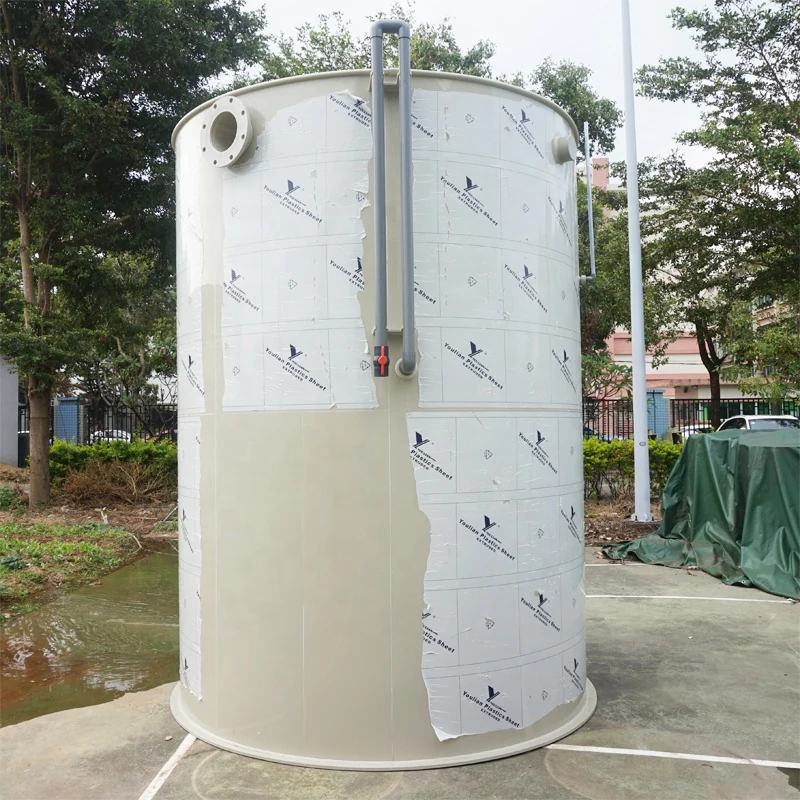
Manufacturer EMBB-series vessel photograph taken outside the workshop; series reference.
Vessel layout and integration
The gallery shows cylindrical vessels with external pipework and different connection arrangements. Use the photographs to discuss access and piping, while taking final nozzle positions and footprint from a model-specific drawing. The supplier’s table does not provide a verified biological-removal guarantee for this particular operating case.
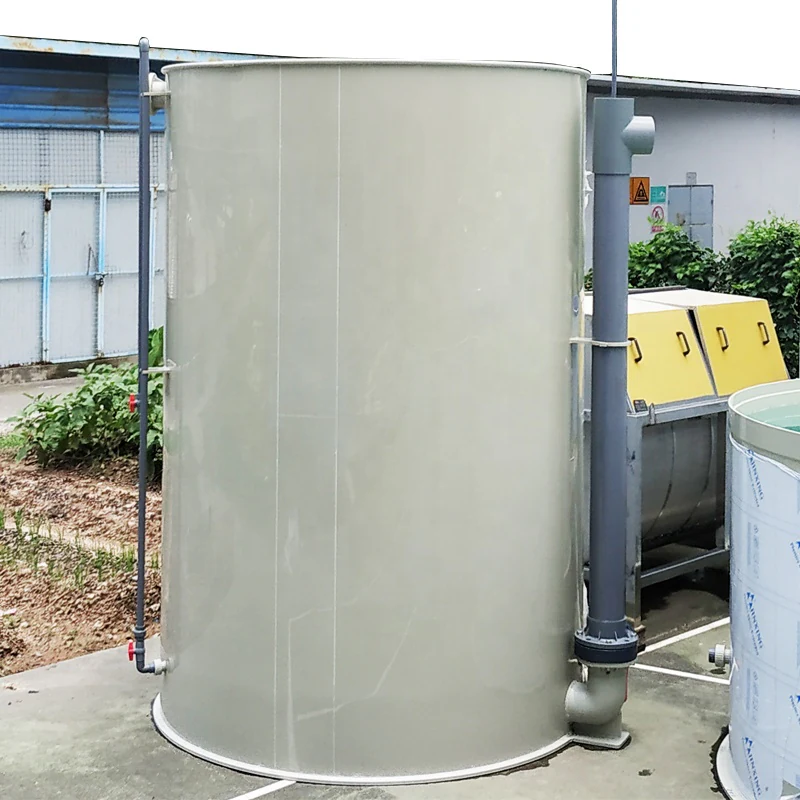
eWater EMBB-series tank and adjoining filtration equipment; manufacturer series photograph.
Planning your configuration
- Specify fresh or salt water, species, maximum feed input and target ammonia/nitrite levels.
- Confirm vessel material, working water volume, media type/fill, blower duty and connection sizes.
- Request commissioning and biological start-up requirements; do not infer the volume or purpose of the table’s ambiguous Quantity row.
Manufacturer sources
Product information and images are based on the following manufacturer references, reviewed on 2026-10-20T00:57:53.843535+00:00.