
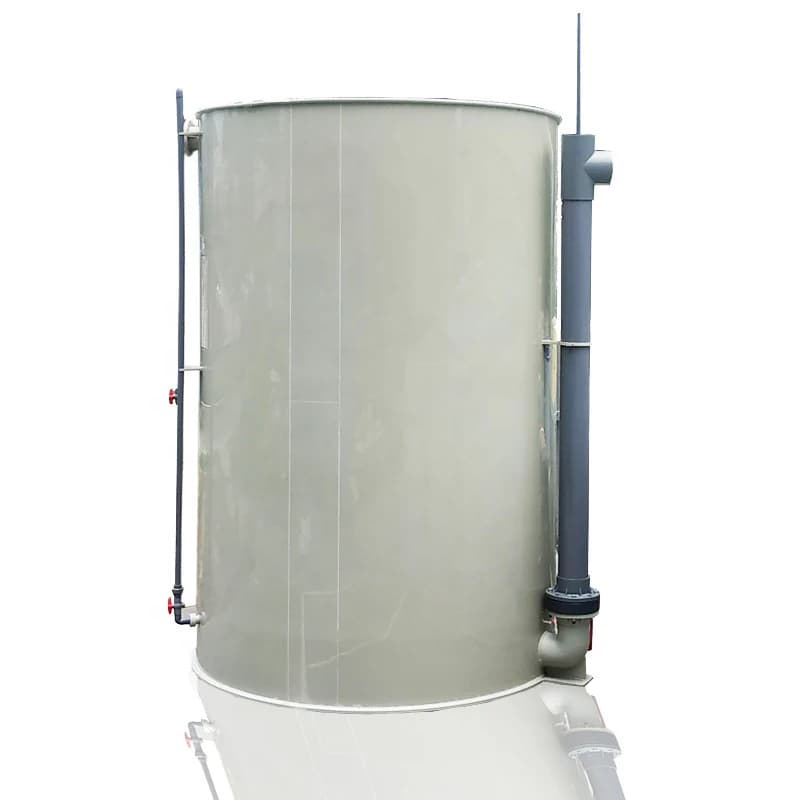
A smaller vessel for a designed treatment loop
EMBB-10 provides the smallest hydraulic figure in the manufacturer's four-model comparison. Use that figure to begin checking water circulation, while sizing the biological stage around the expected waste load. A tank's dimensions and water flow alone do not establish how many fish it can support.
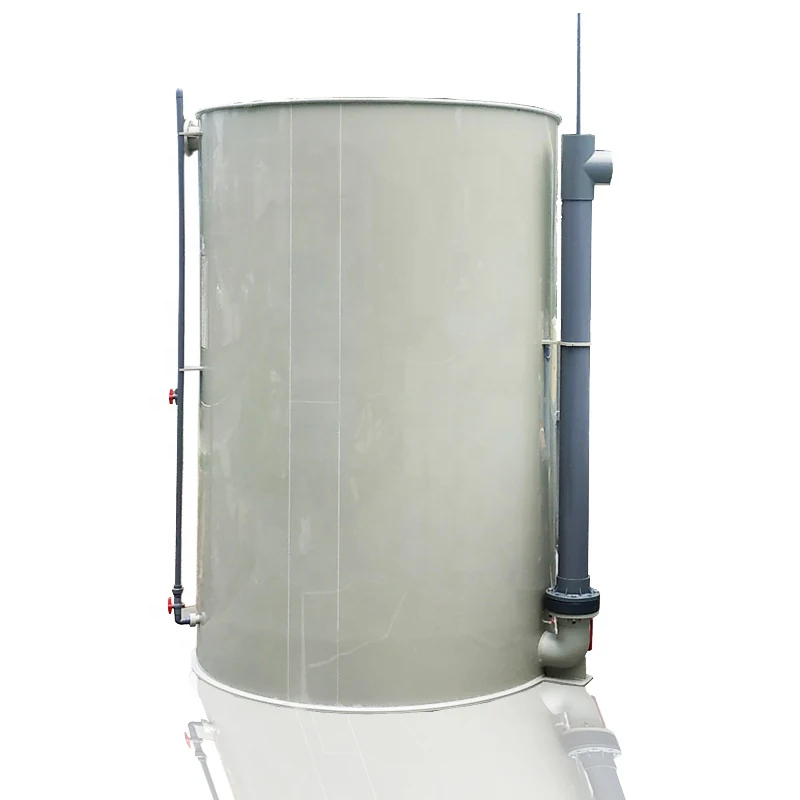
eWater EMBB-series vessel with pipework; exact model is not identified.
Separate solids removal from biofiltration
A biofilter supports microorganisms that convert ammonia through nitrite to nitrate. Plan the preceding solids-removal stage so captured particles do not simply accumulate in the biological vessel. Confirm the chosen media, oxygen supply and operating conditions with the system design.
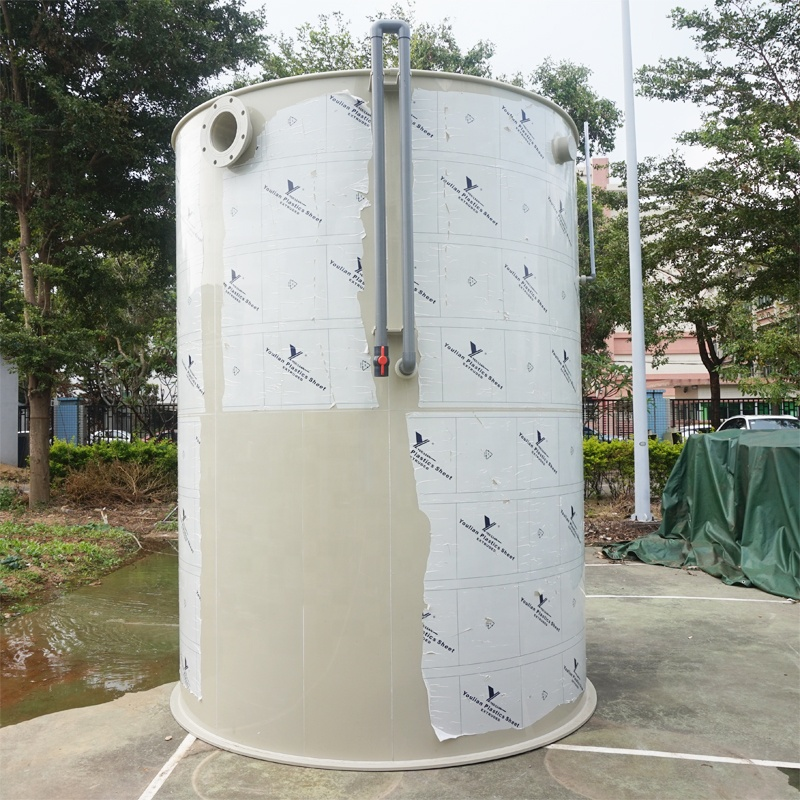
Manufacturer biofilter vessel photograph; EMBB-series reference rather than an EMBB-10 nameplate image.
Plan connections and biological start-up
The series gallery shows external pipework and differing vessel arrangements. Request an EMBB-10 drawing for actual nozzle positions, access and working water level. Establish commissioning and maturation requirements before introducing the full feeding load; the product table provides no model-specific removal guarantee for a particular farm.
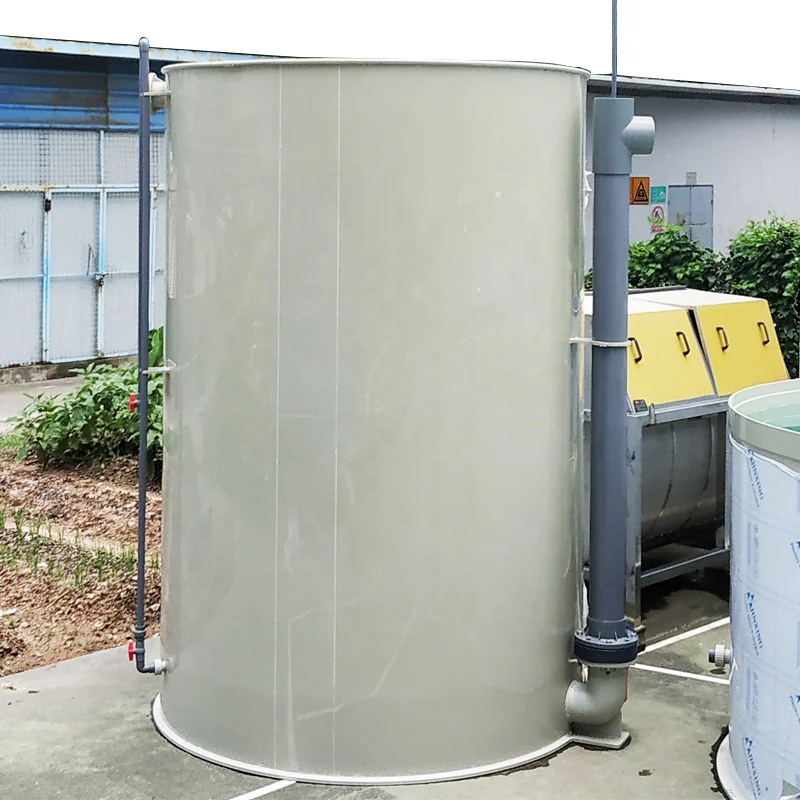
EMBB-family vessels and nearby filtration equipment; confirm the supplied EMBB-10 arrangement.
Planning your configuration
- Provide species, water salinity/temperature, daily feed input and target water quality.
- Confirm vessel material, working volume, media fill, aeration and connection sizes.
- Agree on biological start-up and monitoring; do not interpret the ambiguous Quantity row as confirmed media volume.
Manufacturer sources
Product information and images are based on the following manufacturer references, reviewed on 2026-10-20T02:40:00.350760+00:00.